Spring and All
Mel Arsenault, Lorna Bauer, Andréanne Godin, Tristram Lansdowne, Laurent Le Bel-Roux, Natia Lemay, Laur P, Devon Pryce, Frédéric Tiffet, Carl Trahan
From March 7 to April 11, 2026
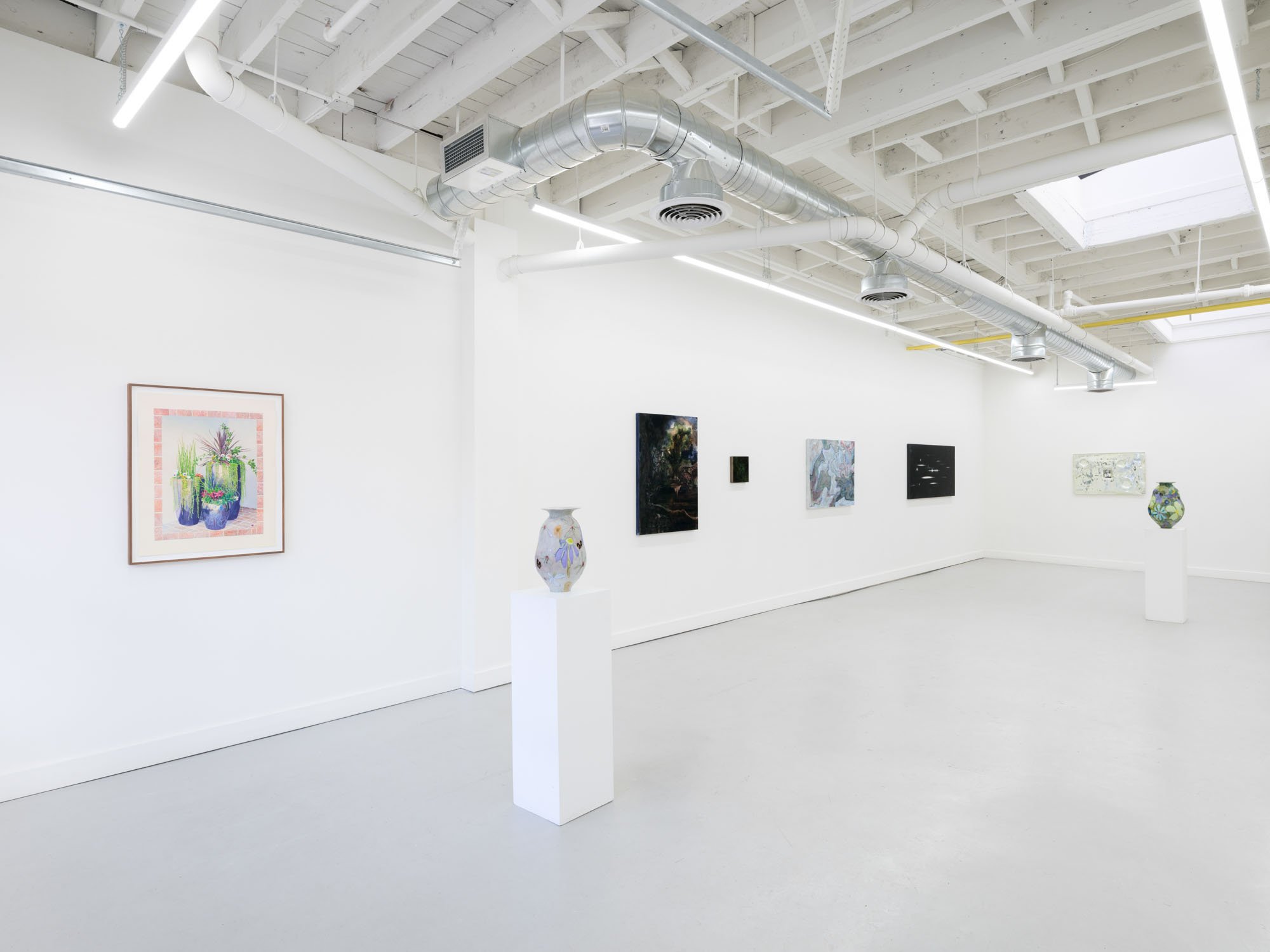
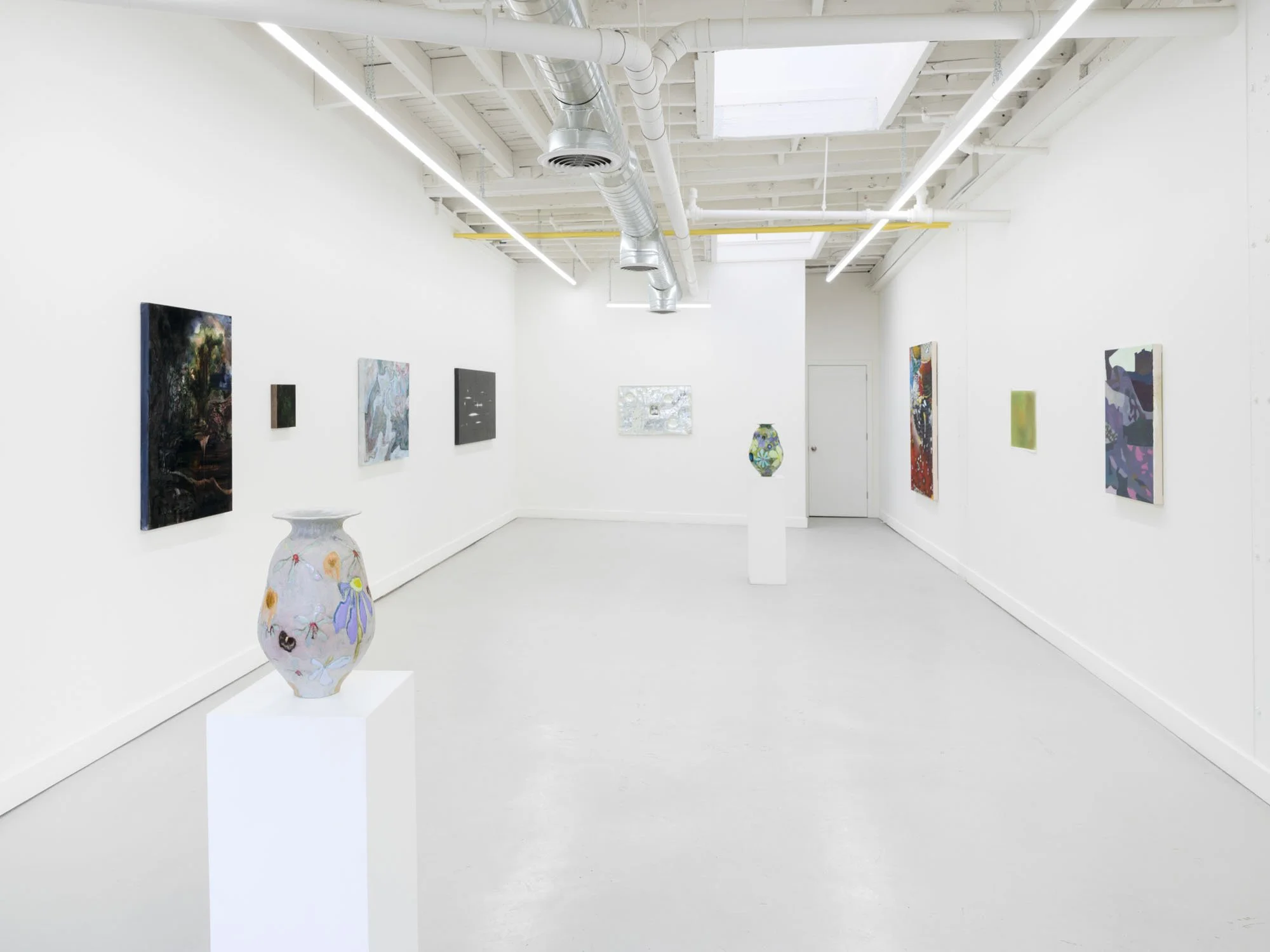
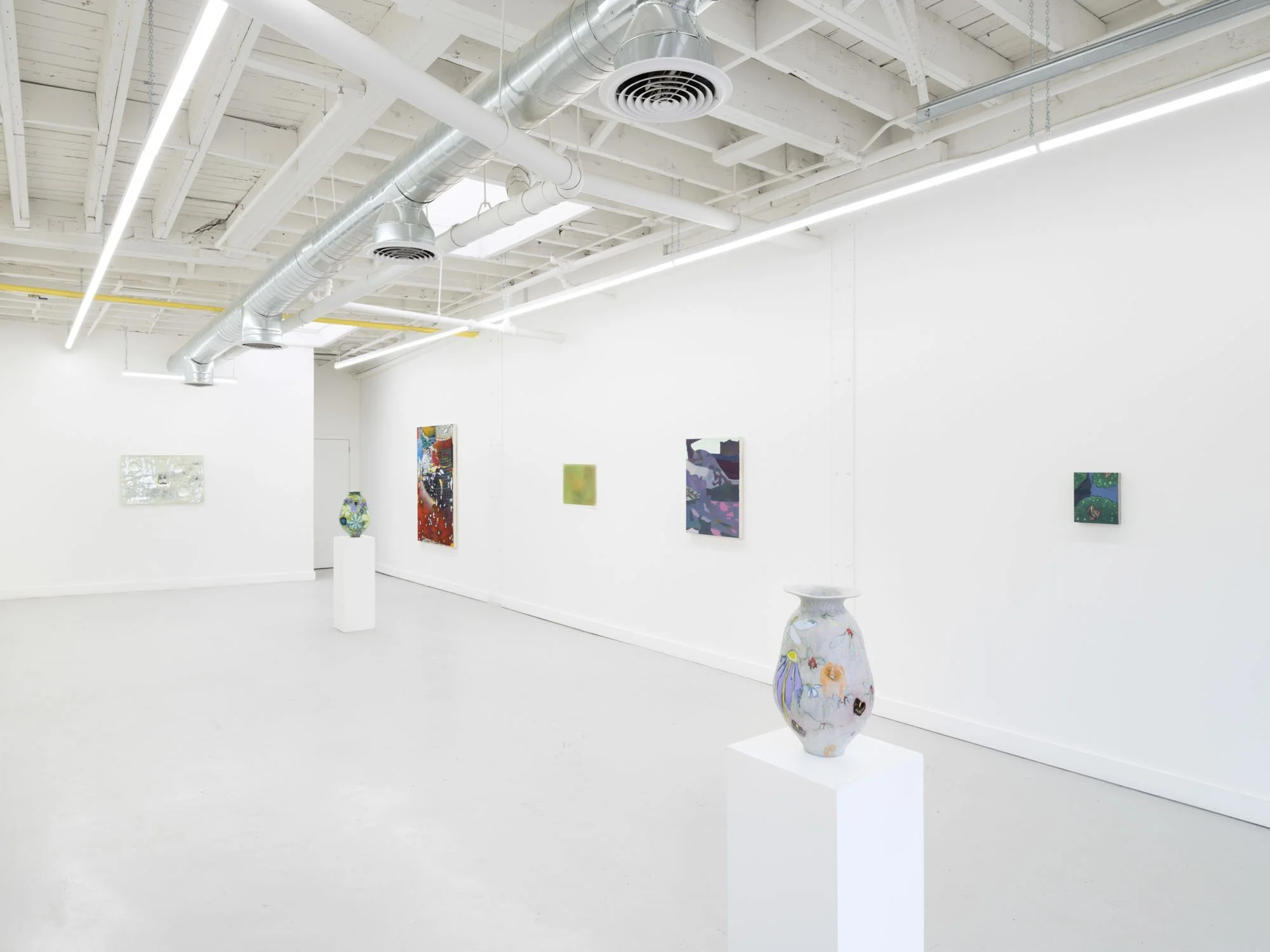
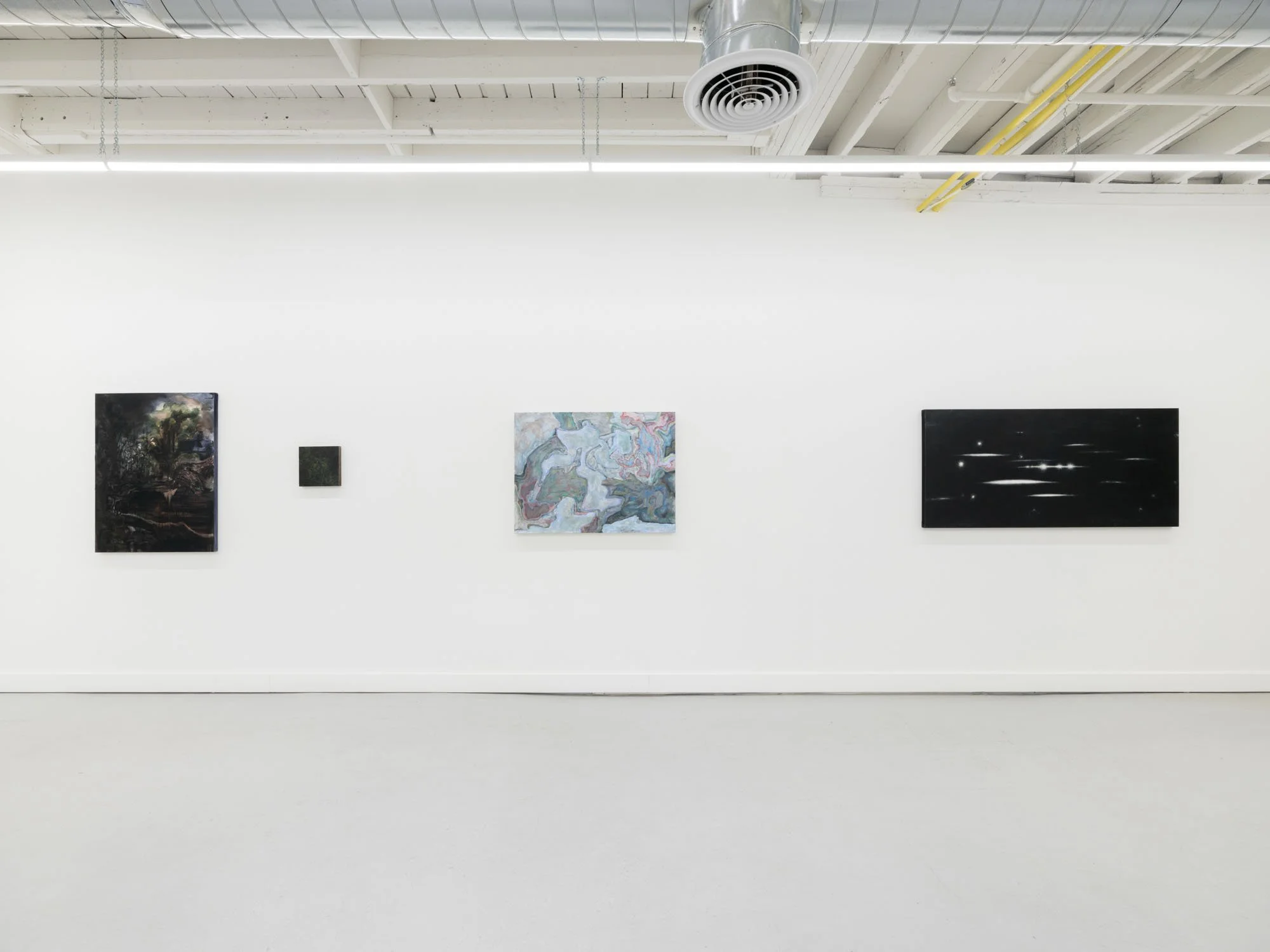
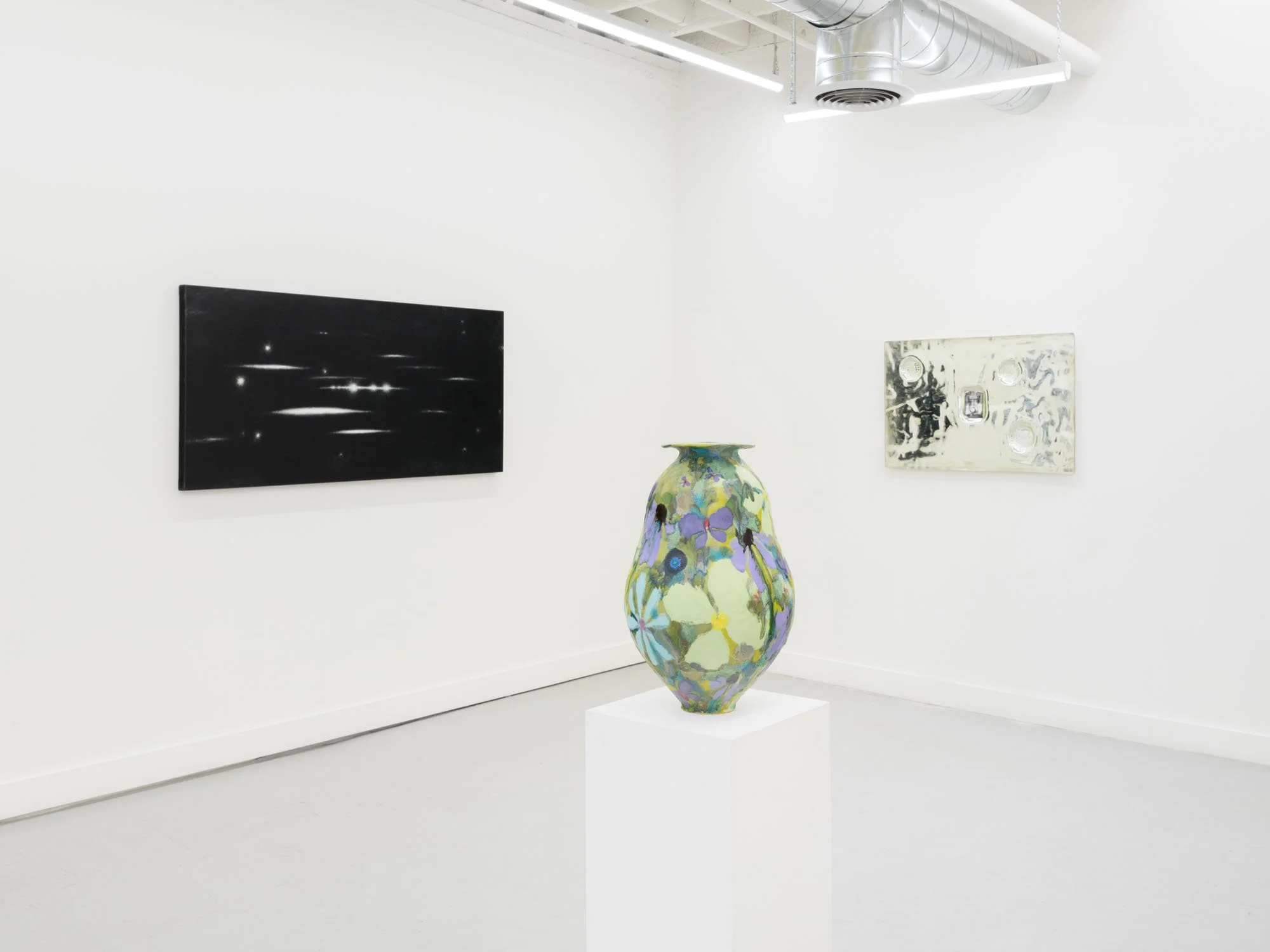
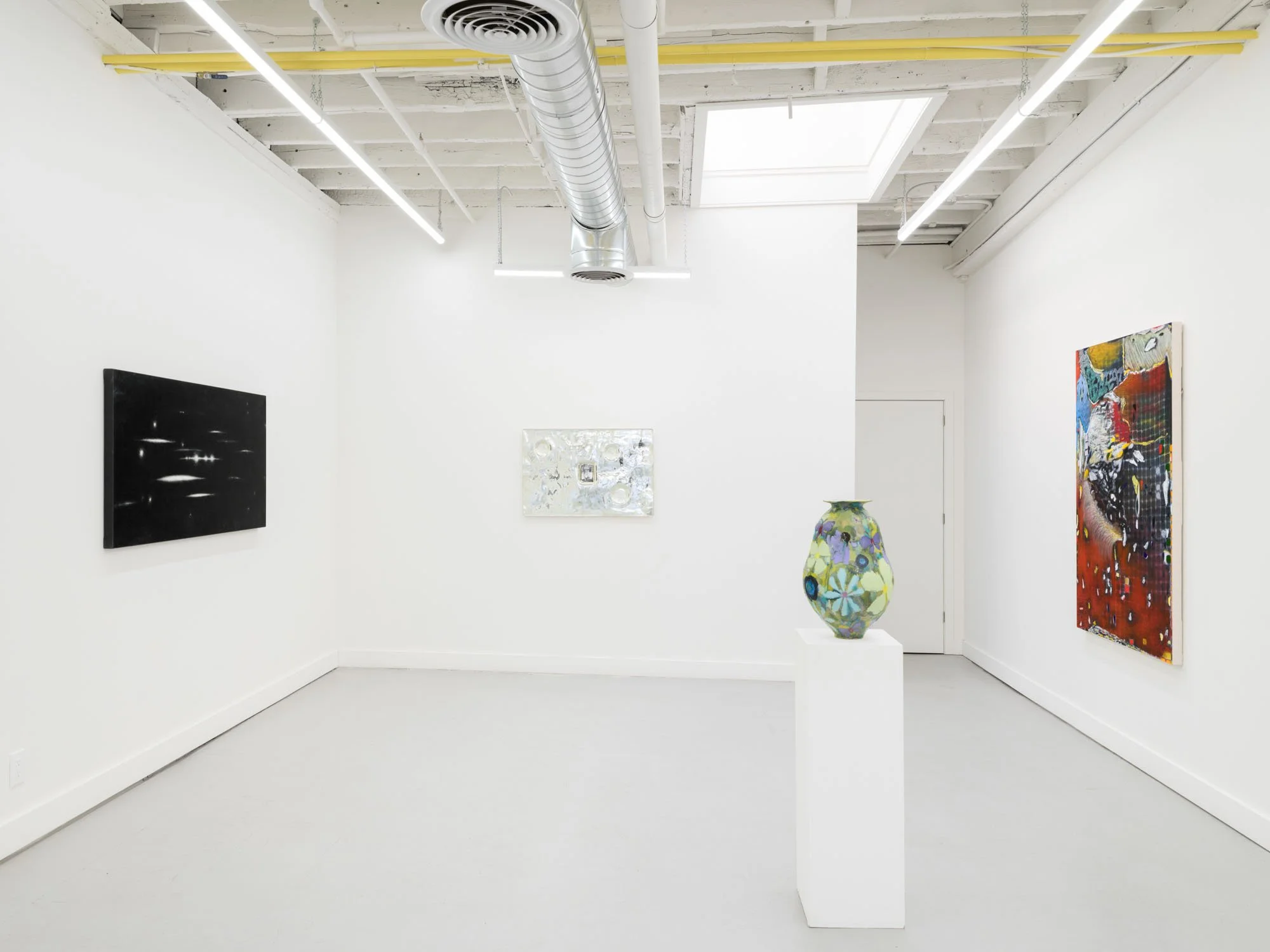
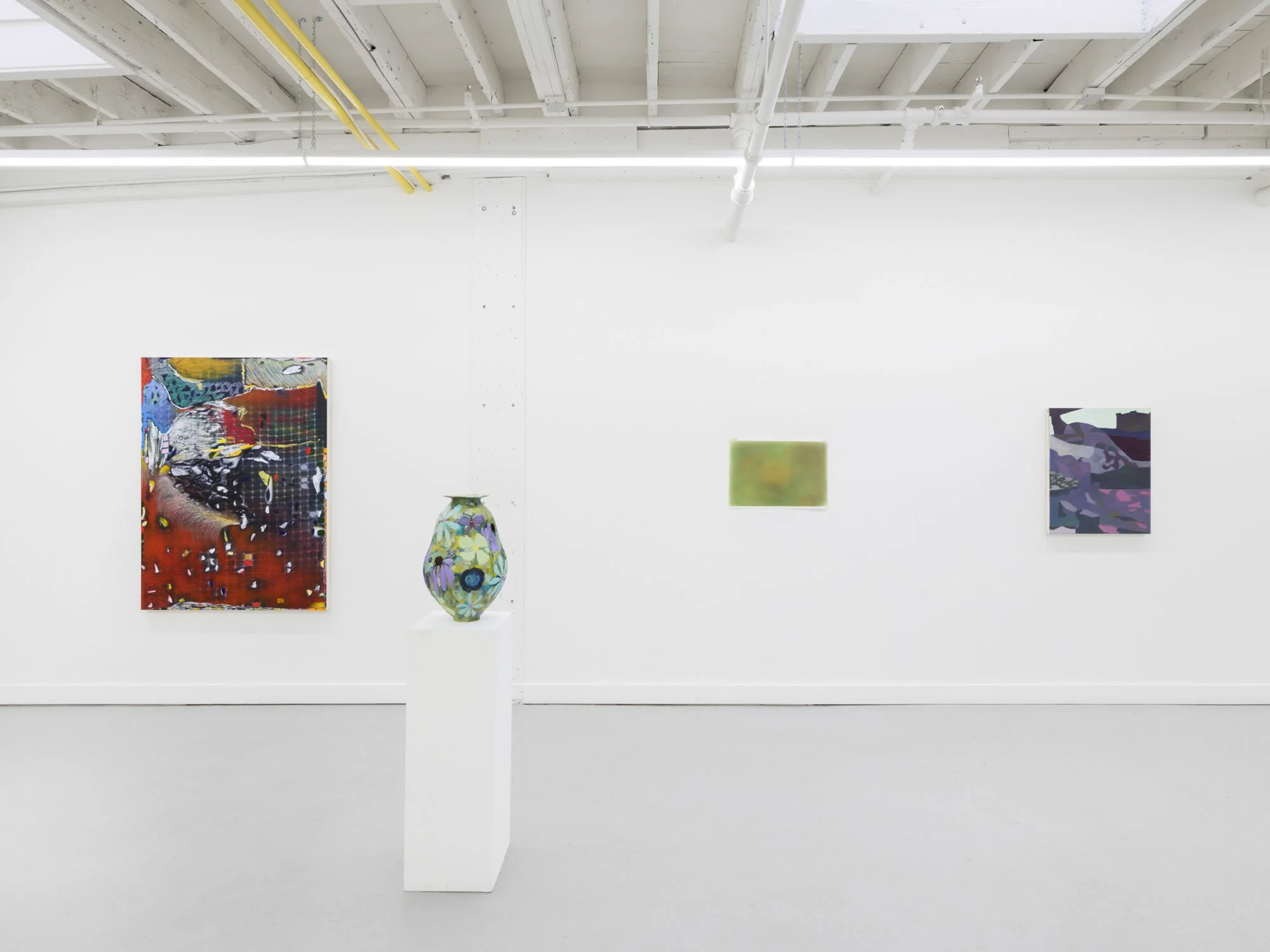
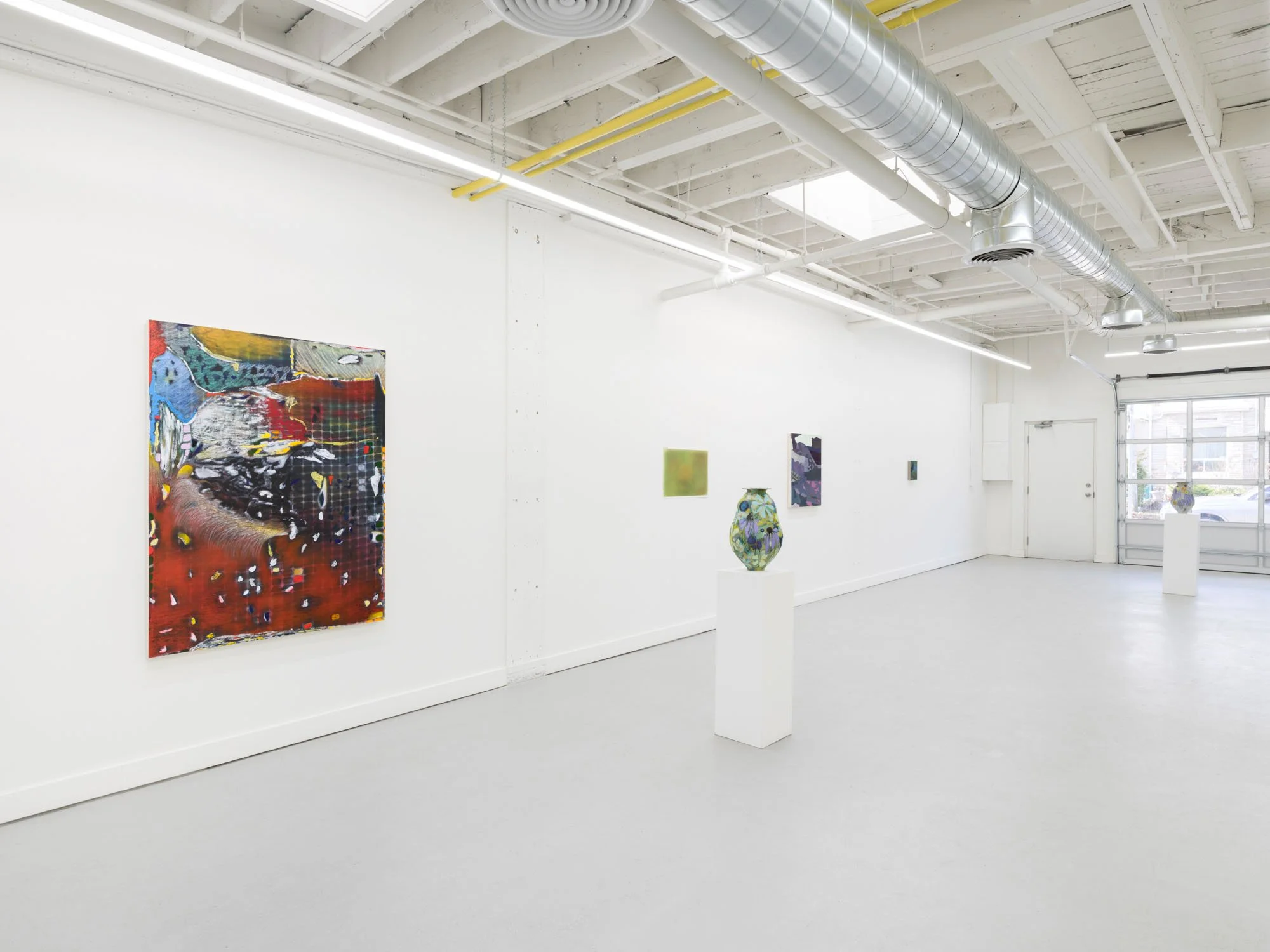
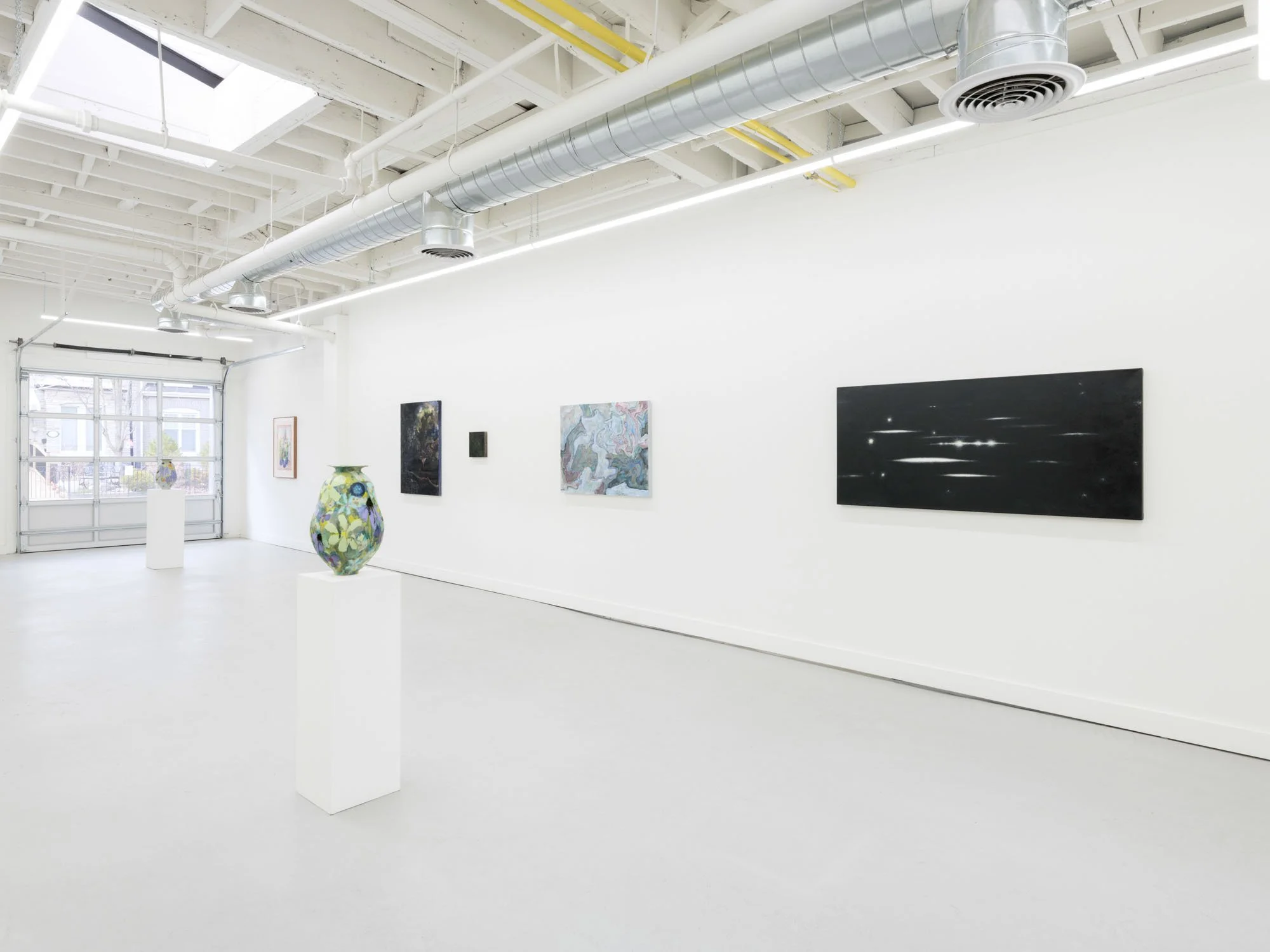
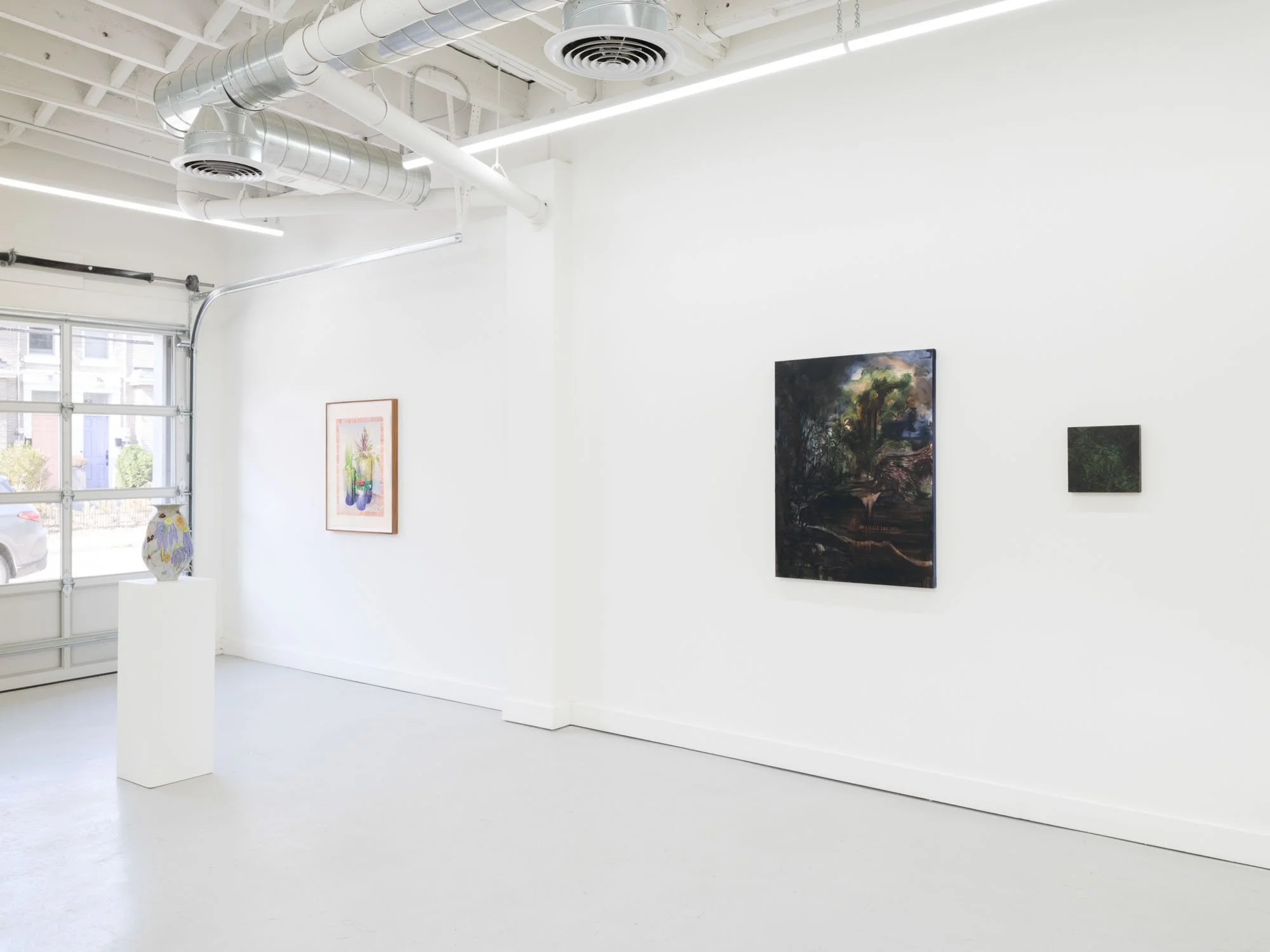
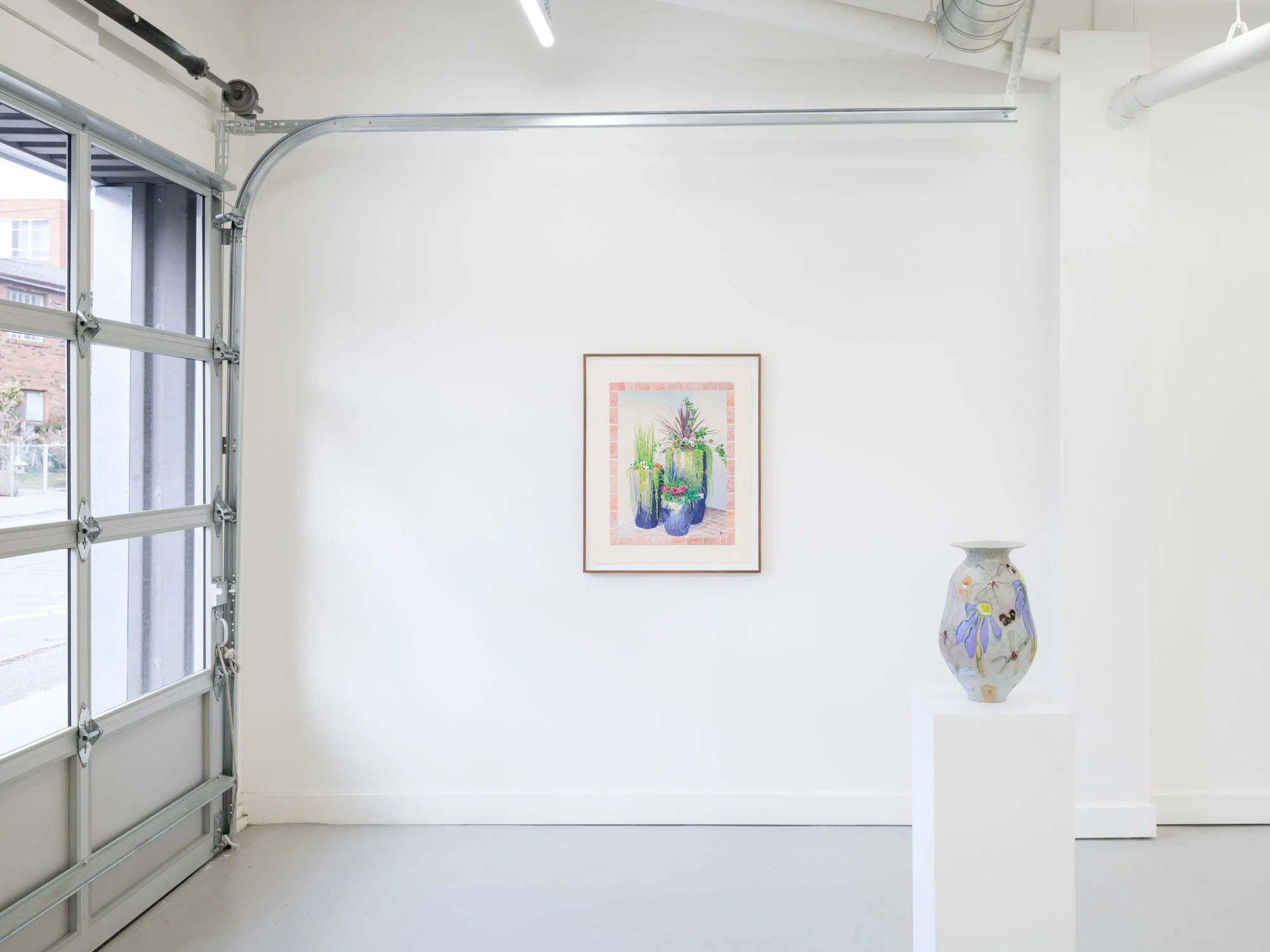
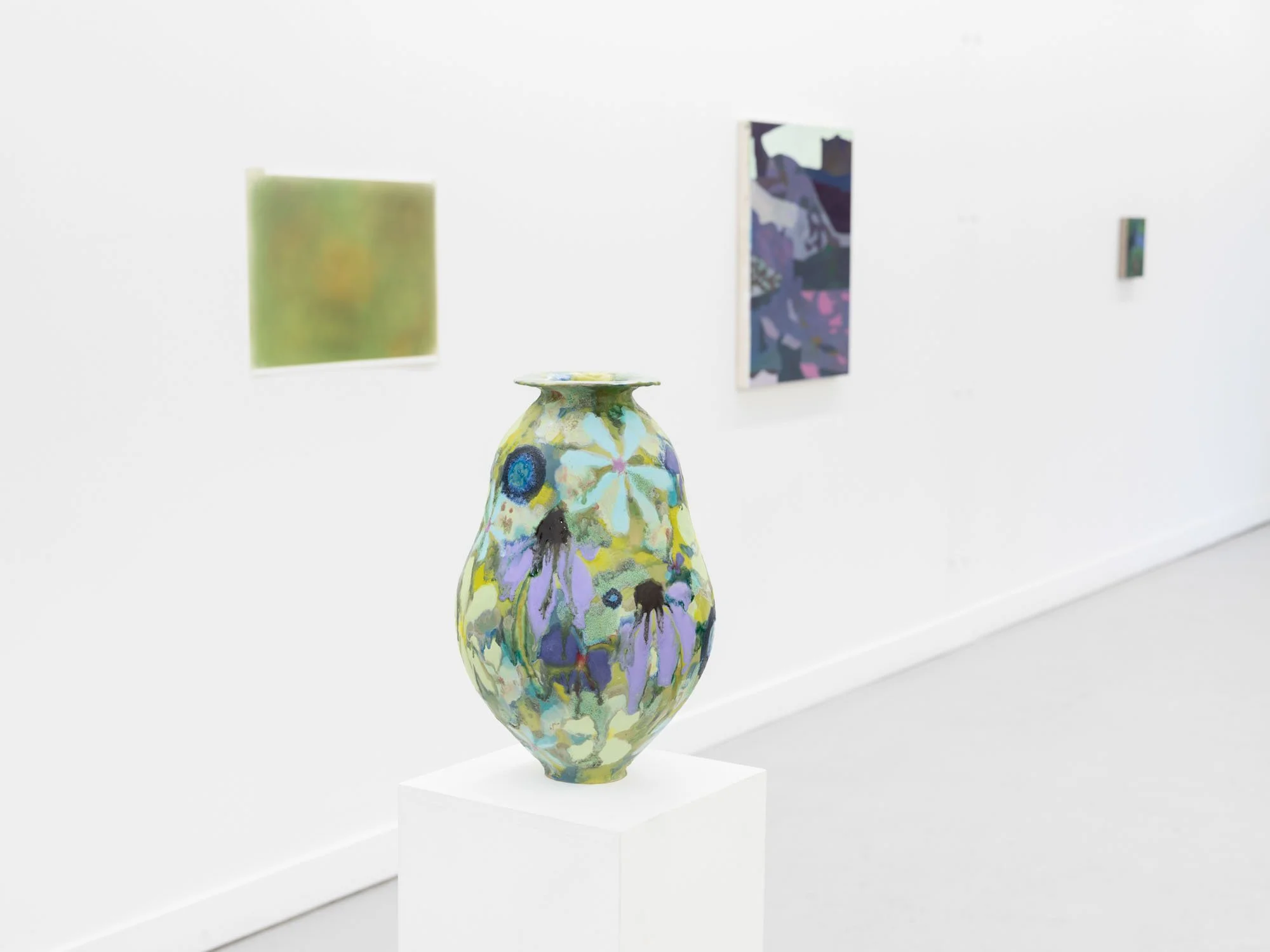
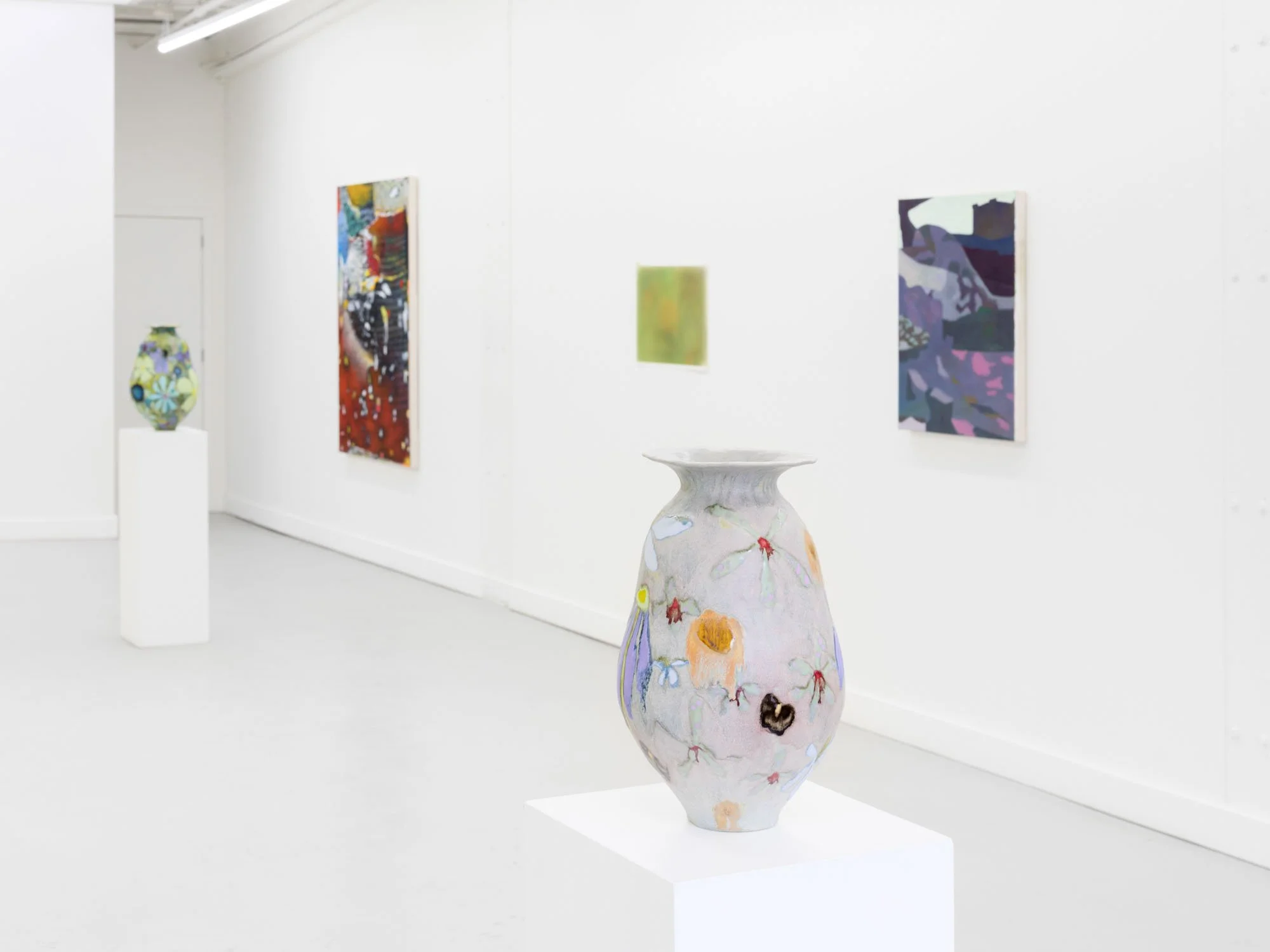
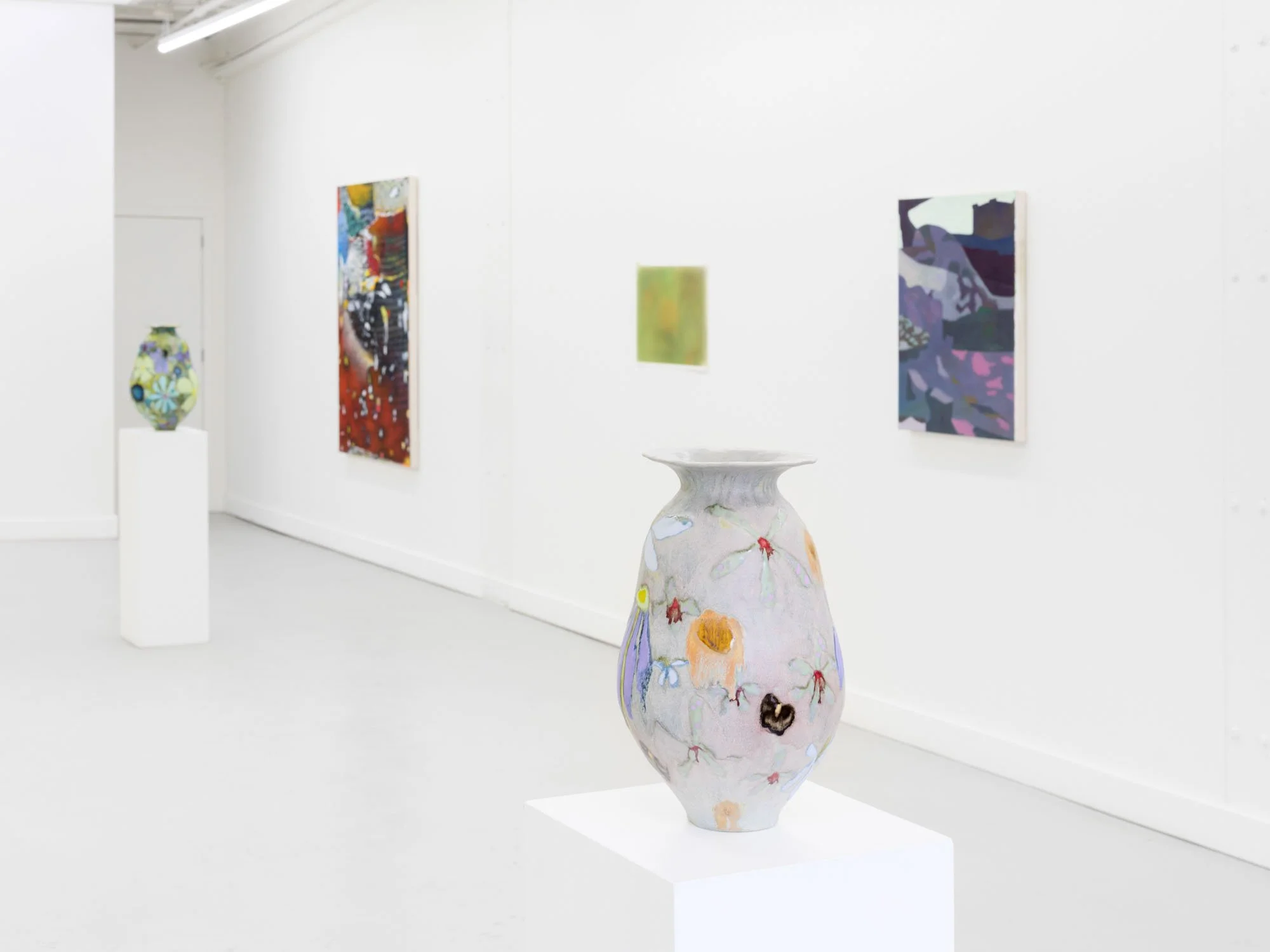
Galerie Nicolas Robert, Toronto is pleased to present Spring and All, an exhibition of gallery artist’s works that reflect on the relationship between art and the “natural” world. While the meaning of the concept of nature is not fixed, as humans we generally have defined it as the material world, separate from human intervention. However, this boundary is becoming increasingly blurred as human impact, interaction, and intervention into nature intensify. The works in the exhibition all question this unstable distinction, allowing us to consider a diversity of approaches in our long tradition of art in relation to the world outside of culture.
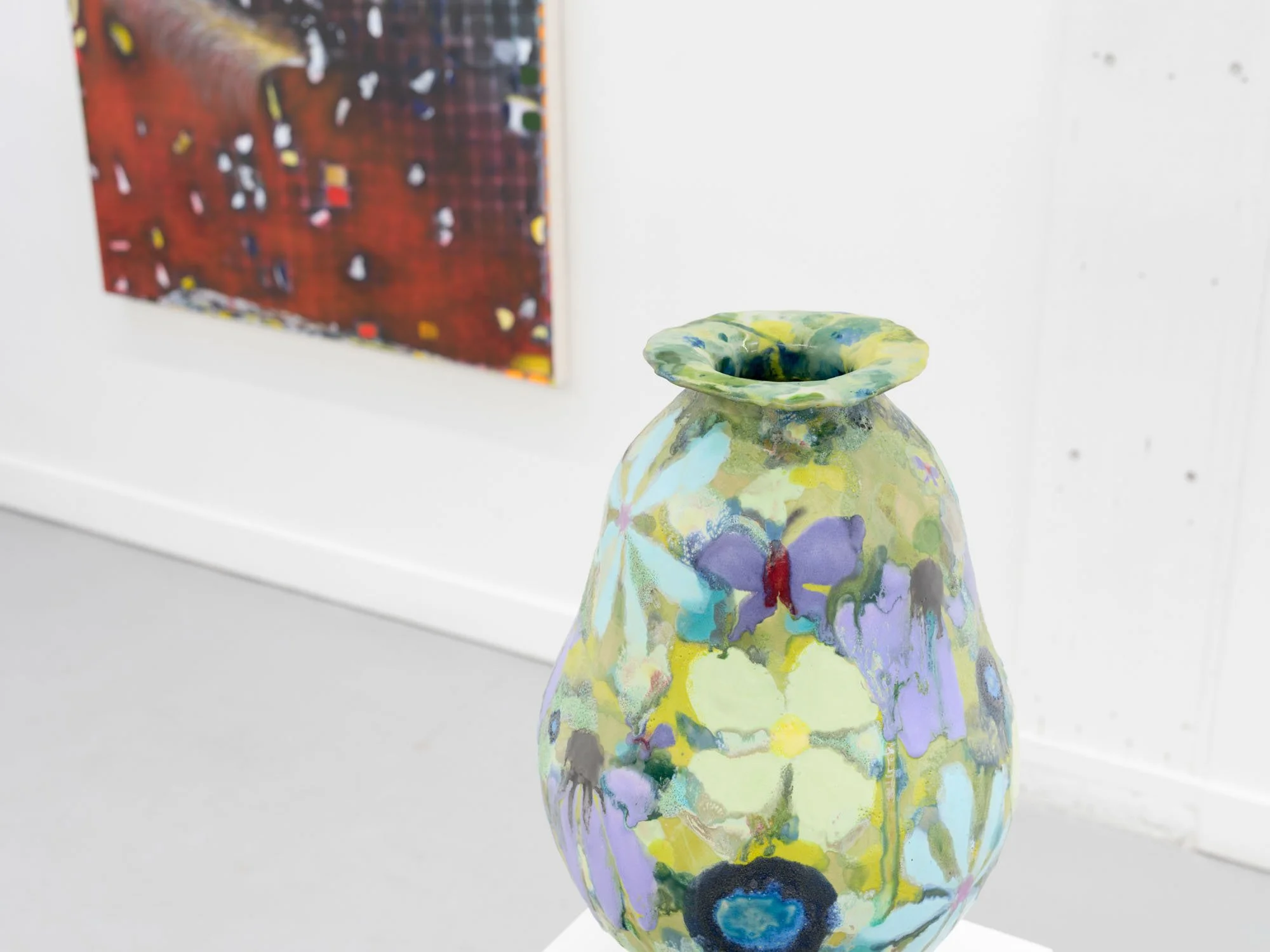
Works include Andréanne Godin’s dry pigment experiment on paper, the results of a series relating to her free diving practice and visions of underwater landscapes, while Tristram Lansdowne’s watercolour tableaux contrast plant life and our constructs of their attempted containment, are both technically virtuosic and humorous. Natia Lemay continues her expansive and poetic consideration of “black” painting, revealing its plurality not just in the chemical diversity of paint itself, but in also terms of subjecthood, transforming landscape and plant into potent sites of narrative potential. Devon Pryce’s painting succinctly and elegantly uses animal and plant symbol as an allegorical kickstarter, and for Frédéric Tiffet colour and pattern in nature merge with formal painterly concerns, sensitively rendered with architecture in relation. In Mel Arsenault’s alchemical ceramic experiments, she creates her glazes from raw minerals, applying them to hand-shaped clay structures that she proposes as paintings on mineral “canvas”; while Laurent Le Bel-Roux considers animal camouflage and abstractions potential in Alula, titled after the small portion of a bird’s wing that acts as an articulating “thumb”. And Lorna Bauer’s shimmering glass work reflects her research into the simultaneous development of photography, commercial glass, and botany, while Laur P’s paintings oscillate between seemingly micro and macro perspectives, from bird eye geological landscape view to microscopic biological composition. Finally, Carl Trahan continues his reflections around the writings of philosopher Eugene Thacker, with elegant paintings that evoke a Thakerian world-without-us, a world that could bothpredate and follow our presence on this planet we call Earth through cosmic rendering.