James Gardner
Cephalophores

From January 15th to February 14
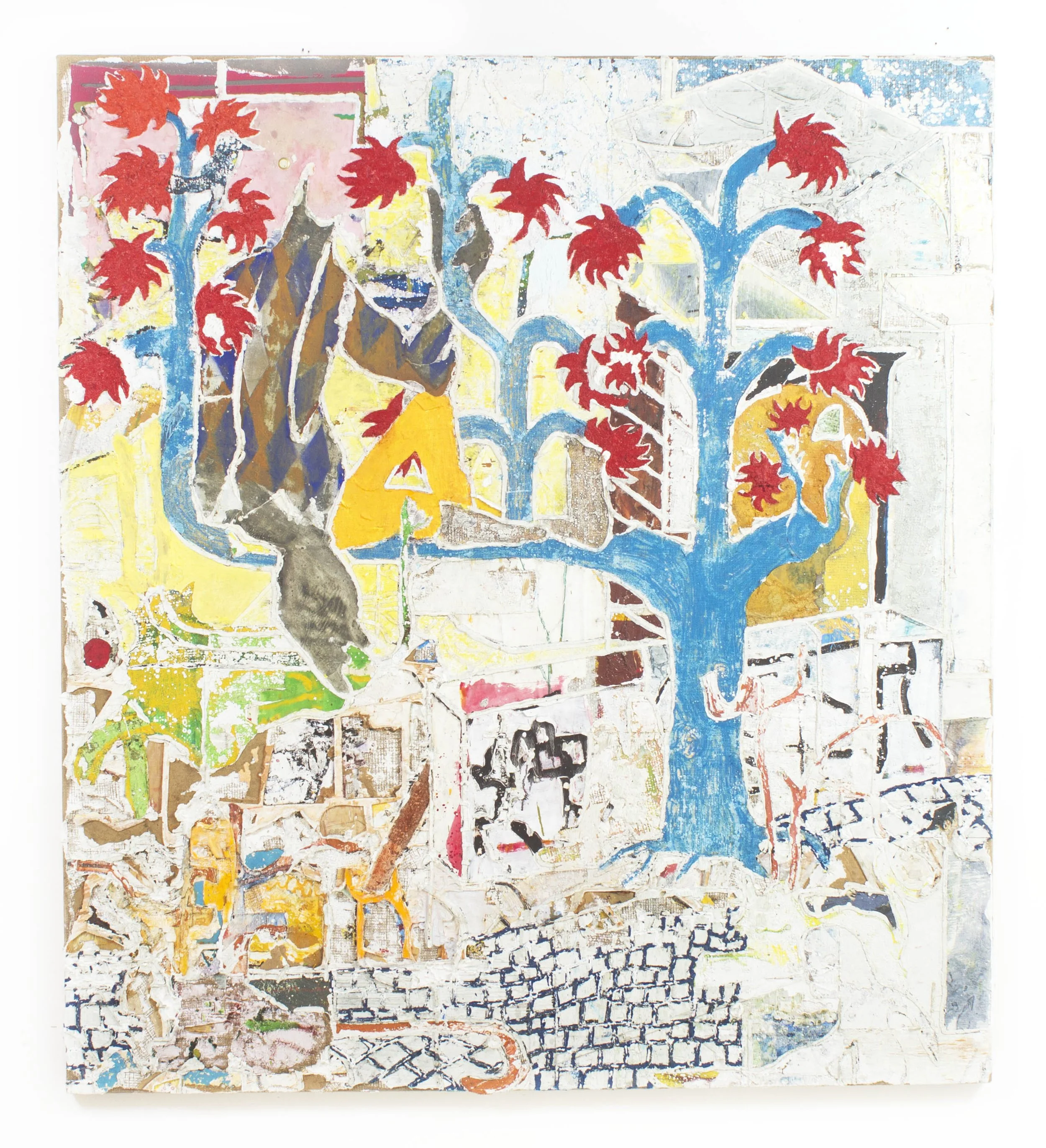
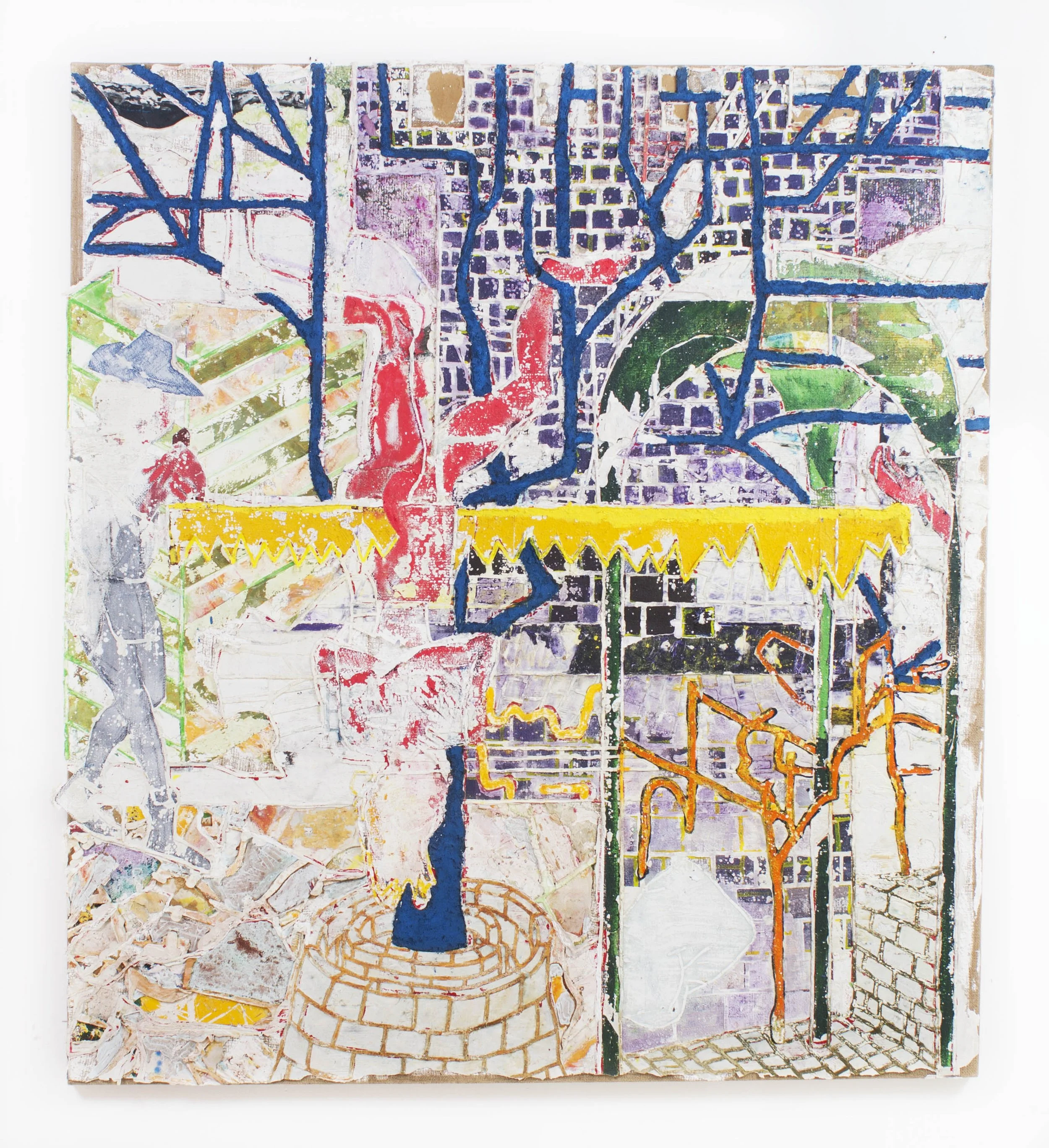
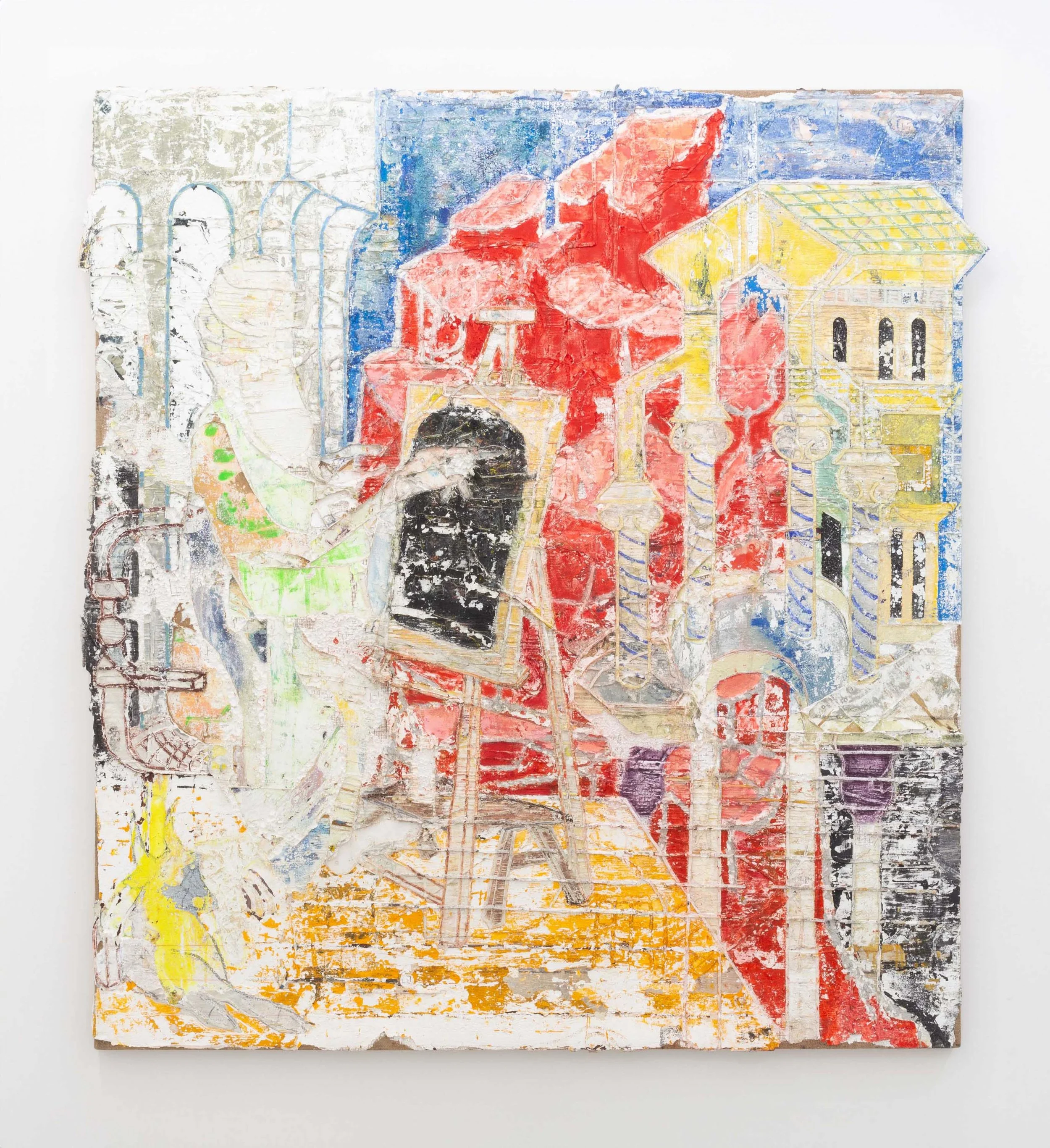
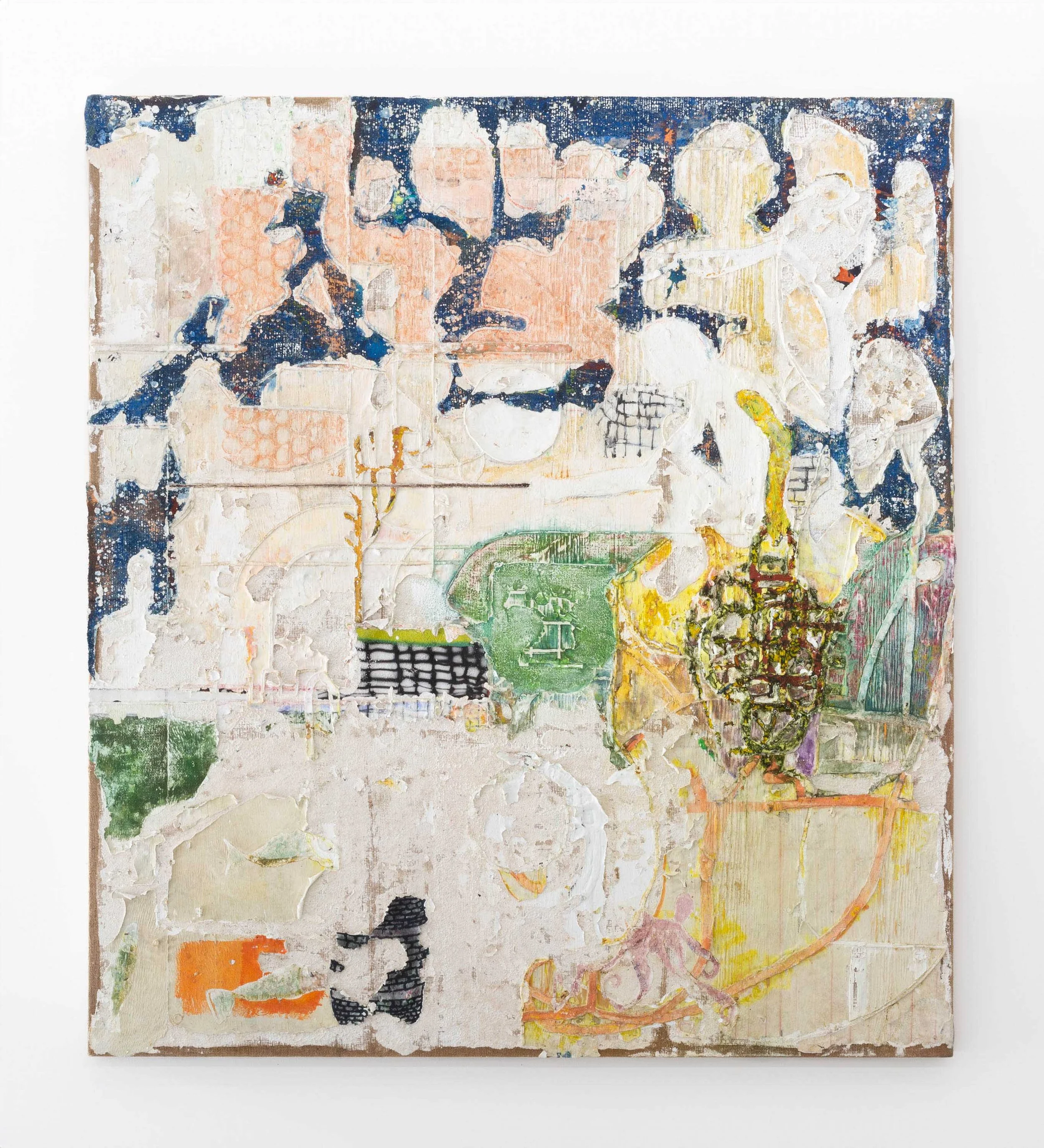
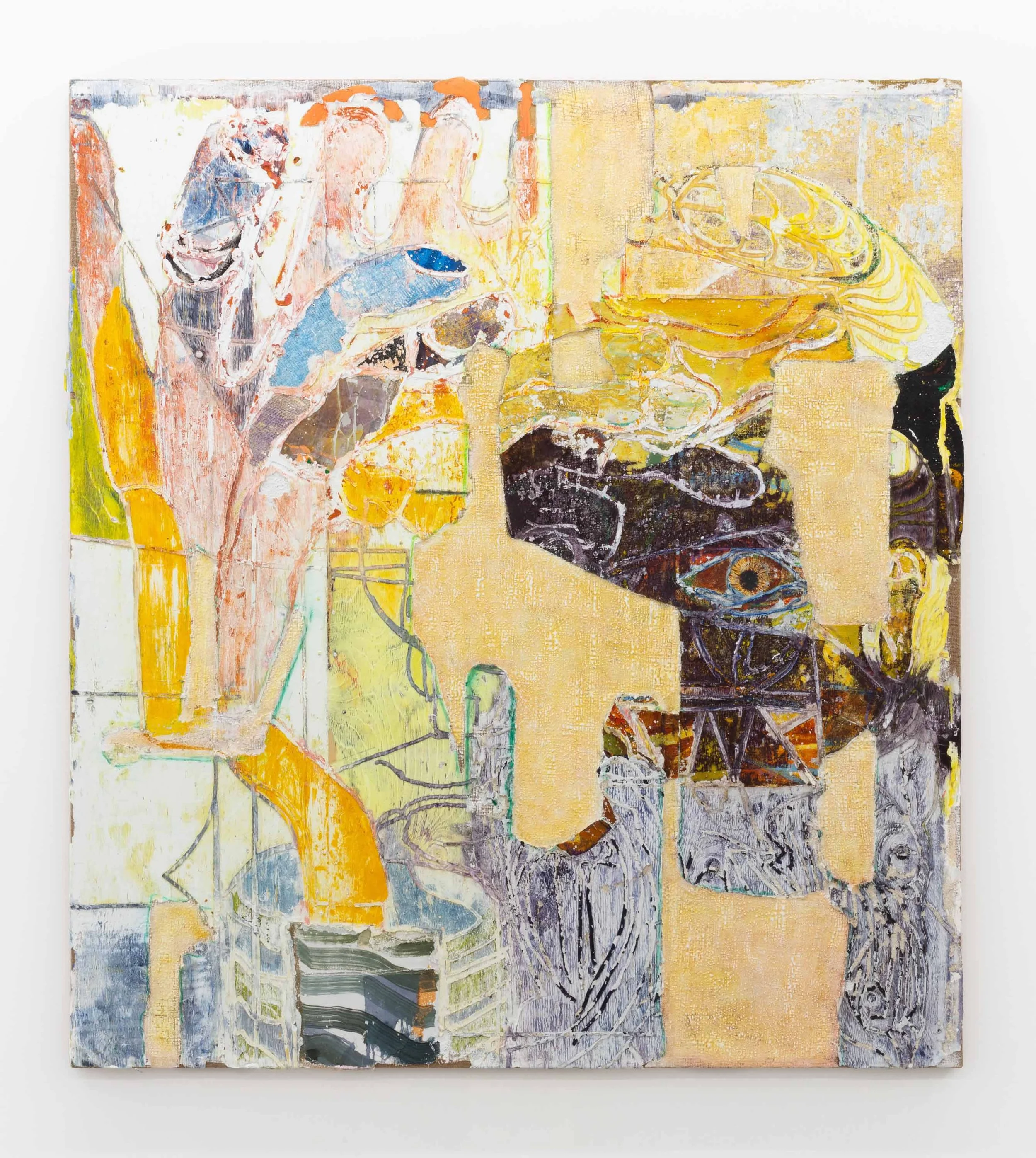
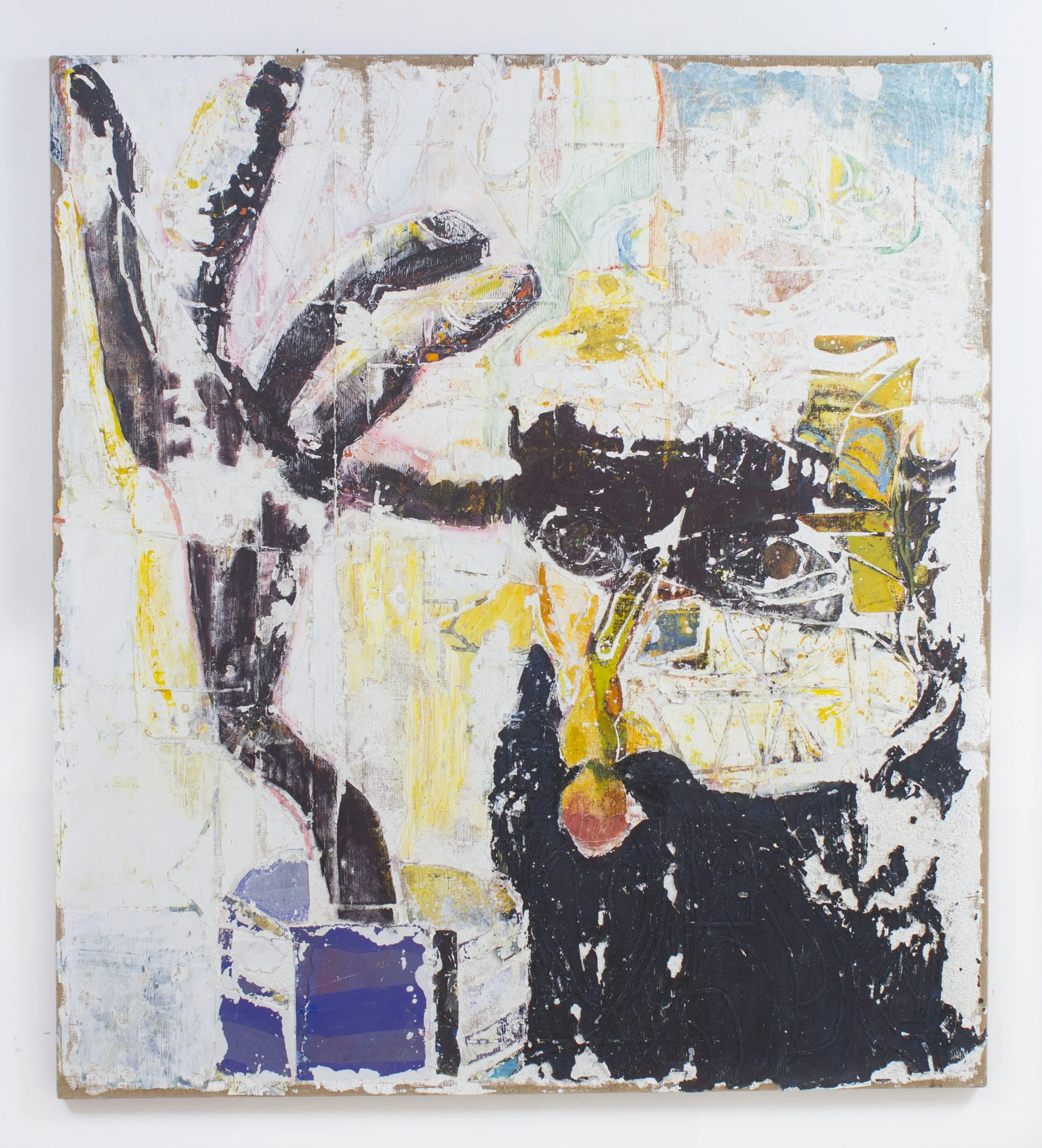
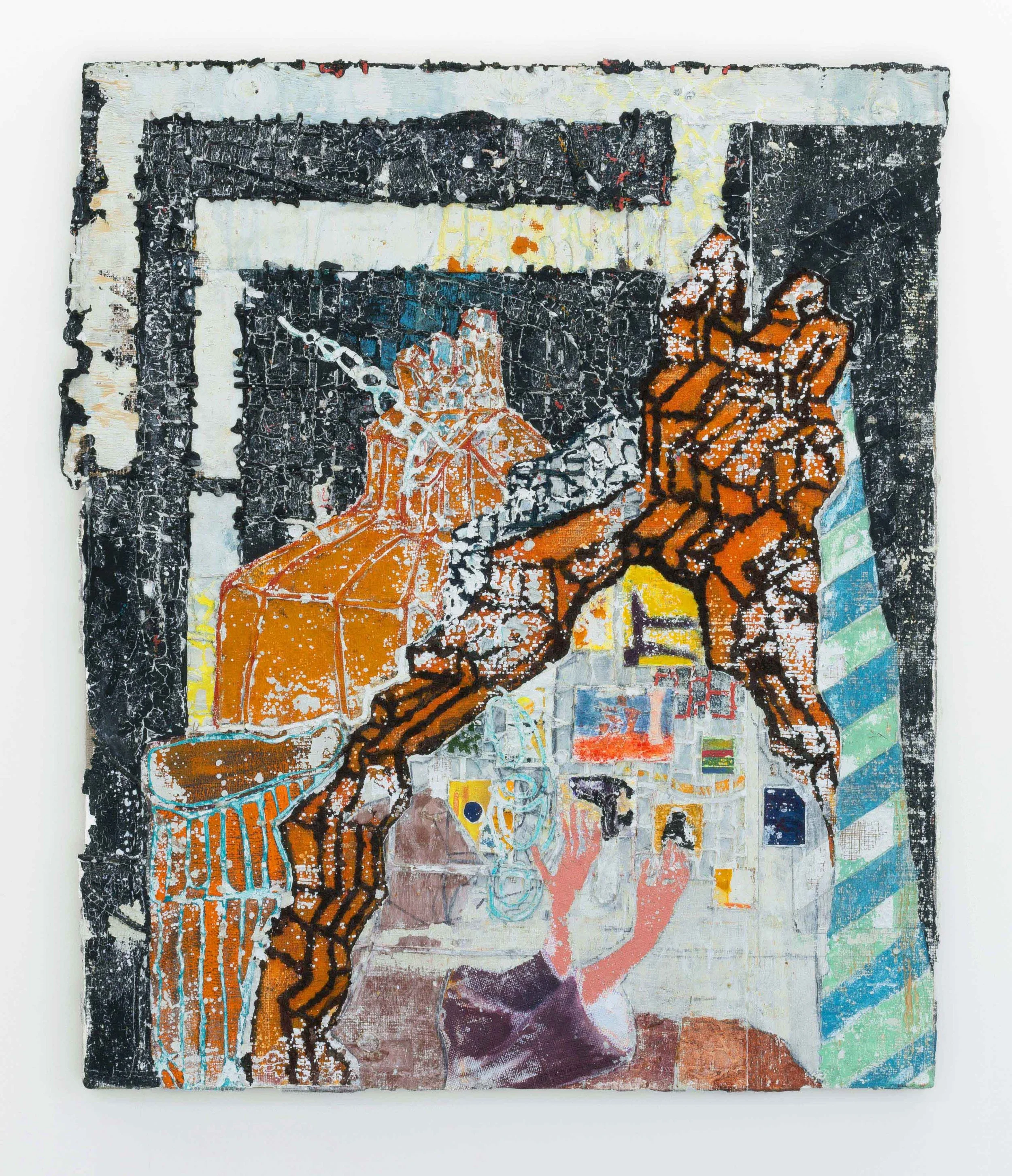
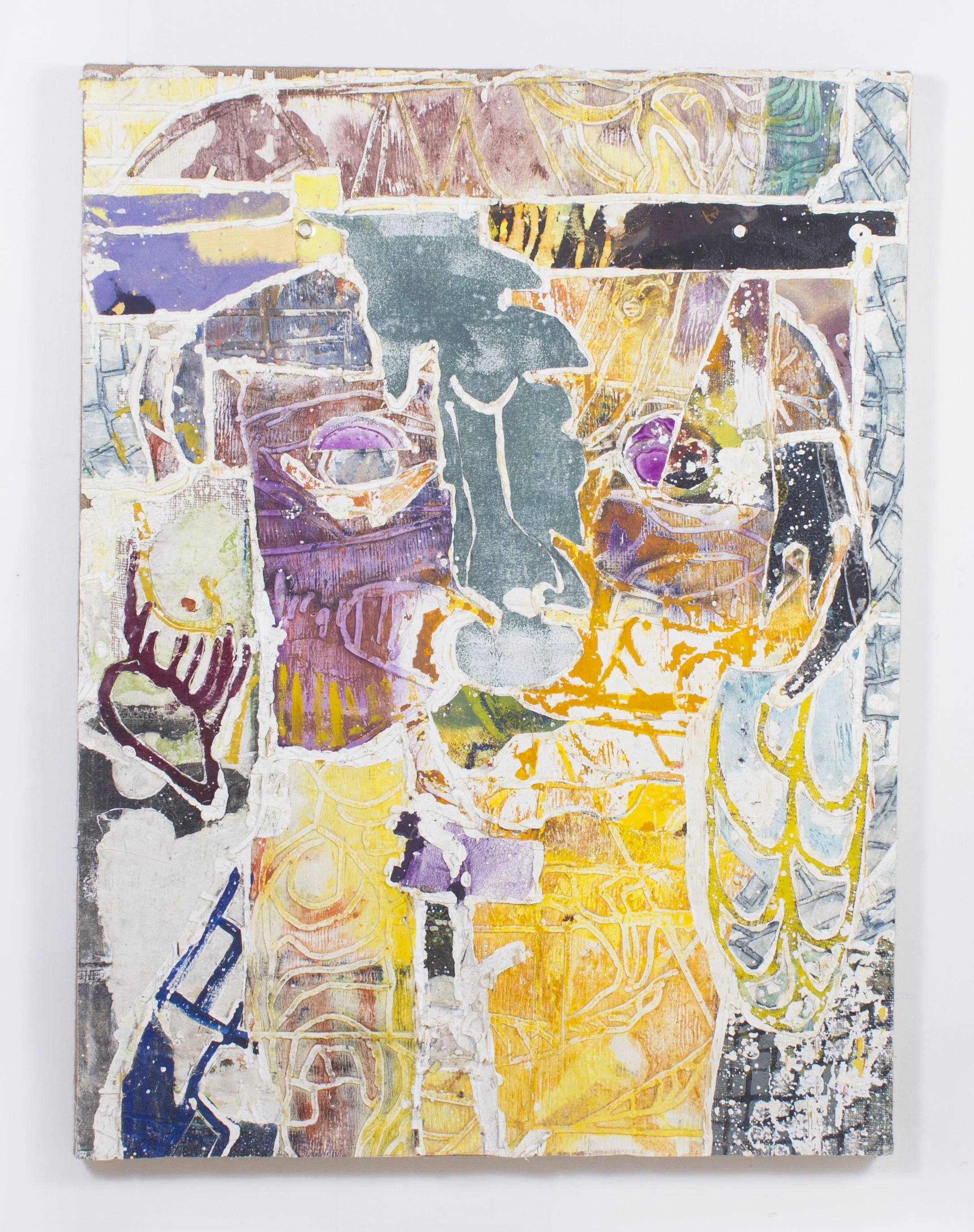
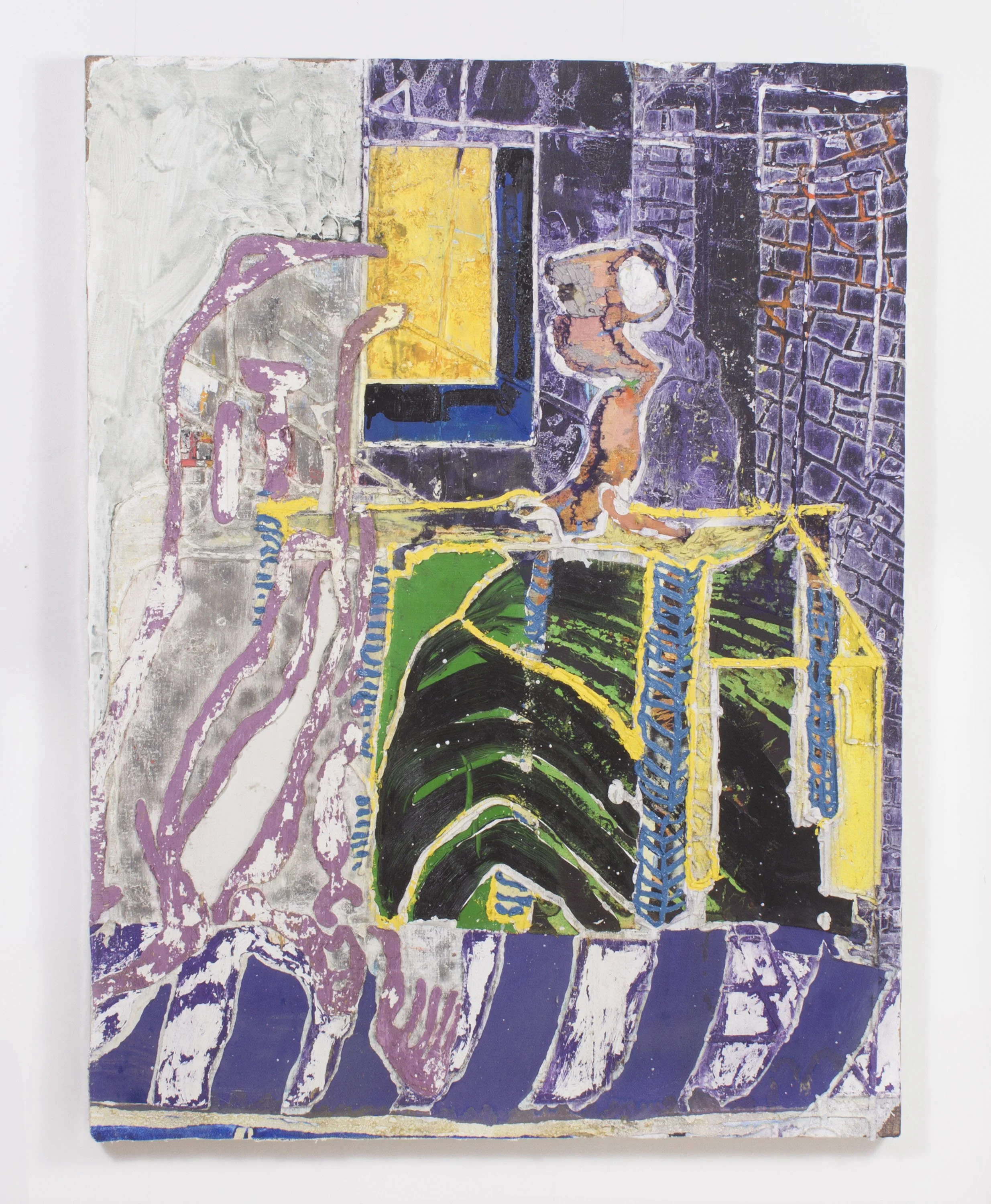
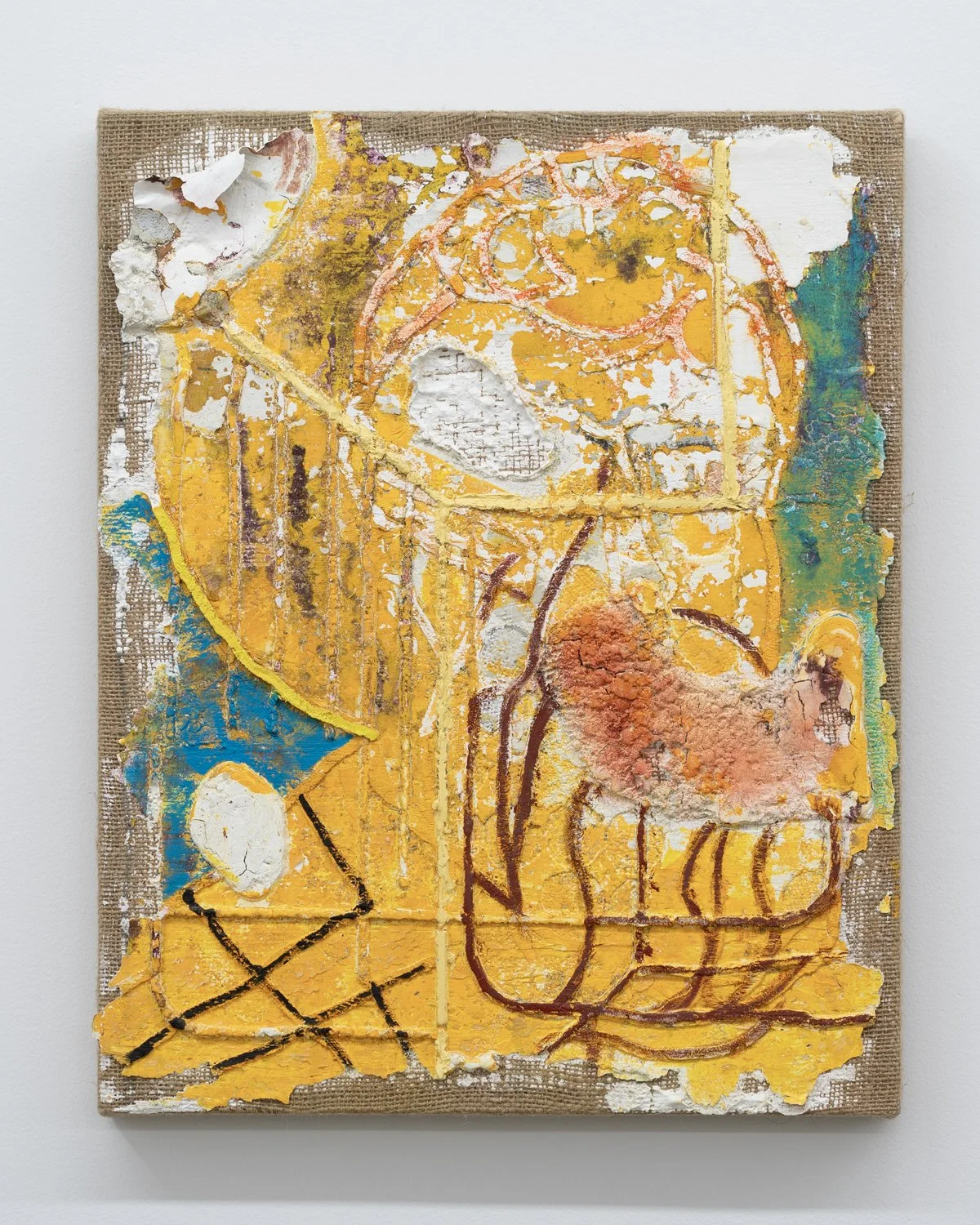
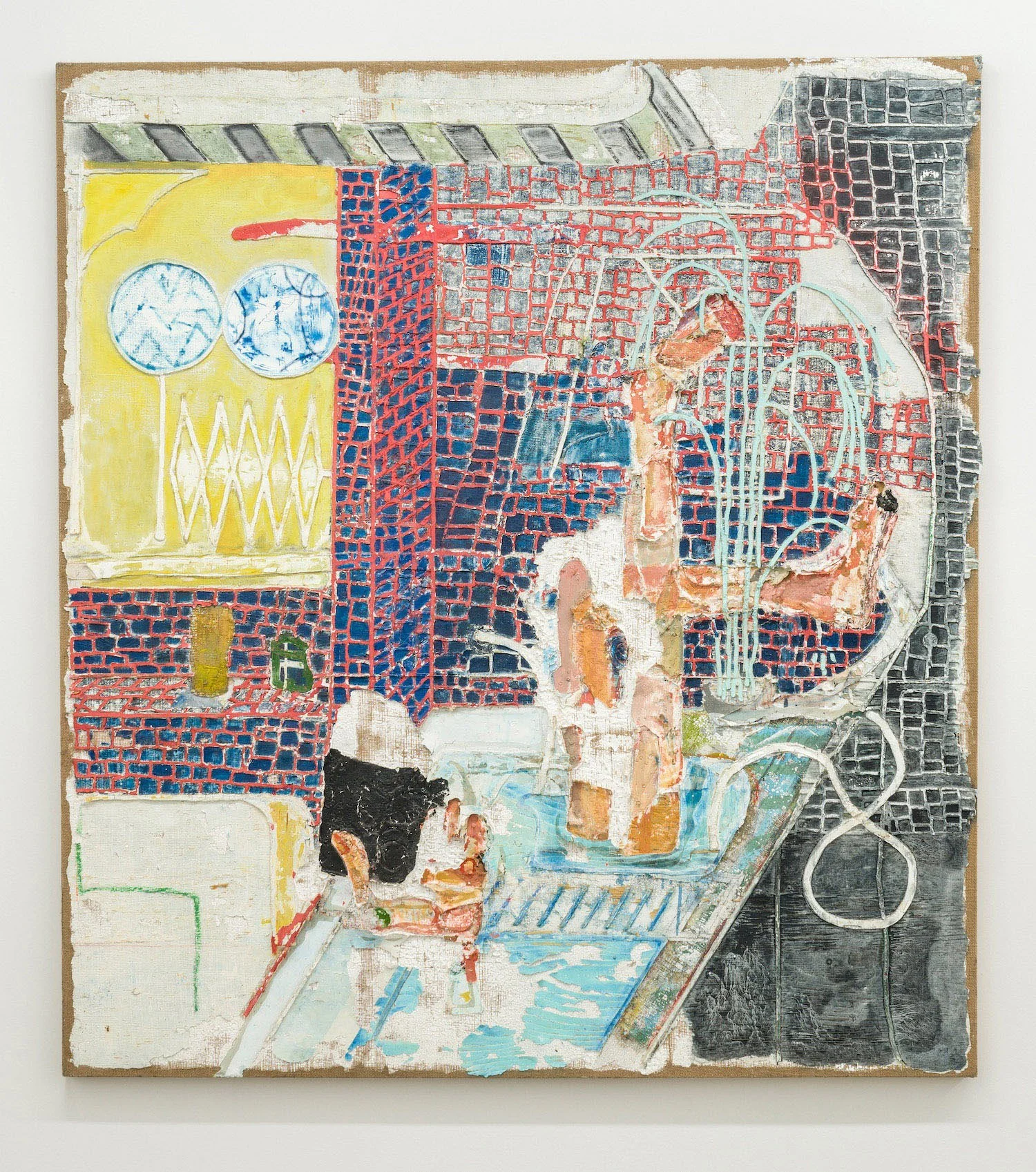
For his second solo exhibition at the Montreal gallery, Gardner continues his project of reinterpreting religious imagery through the lens of Western esotericism. Looking at the iconography of martyrdoms and the depictions of saints, Gardner’s recent research traces the historical iterations and mutations of these images while attempting to link their symbolism with myth and personal resonances outside of the strictures of religious dogma. Gardner sees his studio practice as an activation of symbolic unfolding. Through the activity of painting, common or even mundane images continually evolve to facilitate processes that reclaim the “symbolic imaginal” and help animate new forms of knowledge and experience. In this way, images act as tools to help refashion subjectivities, aiding in processes of self-actualization and becoming.
The title of the exhibition alludes to the hagiography of Saint Denis. As a Cephalophore, or “head-carrier,” Saint Denis’ martyrdom describes the act in which the saint’s body miraculously picked up his decapitated head and continued to walk and preach; a testament to both faith and a belief in an afterlife. However, if we look beyond mere conventional understandings, this, and the other images in the exhibition, can be reinterpreted in constructive, albeit esoteric ways. The Patron Saint of France and the namesake of an iconic street a few steps east of the gallery, Saint Denis’ name itself comes from the Latin Dionysius, meaning a follower of Dionysos, the god of ecstatic states. Gardner links Saint Denis’ strange death with stories like Ovid’s “Diana and Actaeon”, Euripides’ The Bacchae and similar tales of the Holy Dionysos. These myths all feature scenes of decapitation or bodily dissolution as a part of a sparagmos, or ritualistic dismemberment, which serve as allegory for confrontations with the divine.
Moreover, Rue Saint Denis plays a very Dionysian role in Montreal’s psycho-geography, linking religion and the church to music and the frenzy of the festival: Rue Saint Denis begins at Square Viger, both the site of the old Trinity Anglican Church and an early public music venue in Montreal, or more generally, today this street leads from the many religious institutions of Old Montreal, to the nightlife and festivals of the Plateau and Mile End. As in the myths of Dionysos, the life of piety must be balanced with frenzy and revelry: subtle idealism in equilibrium with base materialism. Here we find a final resonance between the headless Saint Denis and the philosophy of George Bataille, especially his involvement with secret society Acéphale (which translates to Headless in English).
In his work, Bataille suggests similar processes of becoming and social cohesion that rely on sites of transgression and the pursuit of limit-experiences that test the boundaries of the human. In this way, Bataille suggests subversive modes of individuation based on the Dionysian and the acephalic and how these may help raise consciousness, make new myths, and allow for the constructing of new communities. The Cephalophore leads us from the church to the throbbing masses of the festival and psychedelic revelry where we too may lose our heads. This loss is not an annihilation, but a state of non-ordinary awareness where the suspension of reason and fixed identities create space for new meaning and new subjectivities to be imagined. For Gardner, the image of the Cephalophore offers us a way to orient ourselves and suggests how we might discover a sacred that is not proscribed by institutionalized religion. Instead, meaning can be found through the unraveling and reconfiguration of self and consciousness; experiences that image-making and the contemplation of images can help us decipher and interpret.
Born in Kitchener Ontario, James Gardner (b.1983) holds an MFA from Concordia University (2020) and a B.A. from the University of Guelph (2008). His work has been supported by the Canada Council for the Arts, the Petry Foundation, SSHRC, and many other grants and awards. Recent exhibitions include Iconomorph, Redeemer Art Gallery (Hamilton), Ecstatic Distance at Fonderie Darling (Montreal), Here to Go, Glenhyrst Art Gallery (Brantford), among others. In spring 2026 Gardner will be in residence at Stove Works in Chattanooga, Tennessee, followed by a group exhibition in Leipzig, Germany and a solo exhibition at the Delaplaine Art Centre in Frederick, Maryland. Gardner currently teaches painting at Concordia University. The artist would like to thank his partner, friends, and family for their endless support, love, and inspiration. All praise the thrice born, who wails in revel!